

Description
October 16, 2025 | 12:00 – 1:00 PM Enhancing the Efficacy of Brief Alcohol and Drug Use Interventions for Higher-Risk Emerging Adults
Description:
Learning Objectives:
- Understand the prevalence and risk factors associated with young adult alcohol and drug misuse, in order to inform effective intervention.
- Discuss behavioral economic models of addiction, and their unique implications for conceptualizing and treating addictive behavior.
- Demonstrate understanding of how to implement motivational interviewing and behavioral economic based intervention elements to reduce alcohol and drug use and related risk in young adults.
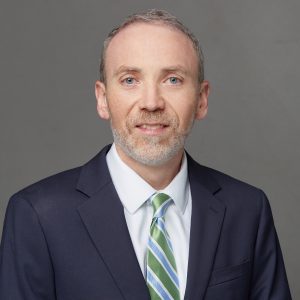
James Murphy
Presenter: James Murphy, PhD
Dr. James Murphy is a Professor and Moss Chair of Excellence in Psychology at the University of Memphis and previously served as the Director of Clinical Training for the Clinical Psychology Doctoral Program. He completed his doctoral degree at Auburn University in 2003 and an Addiction Research Postdoctoral Fellowship at Brown University in 2006. He has published over 230 papers and chapters related to the etiology, prevention, and treatment of alcohol and drug use disorders. Dr. Murphy has developed novel brief intervention approaches that reduce drinking and drug use and has tested the effects in a number of randomized clinical trials with young adults, military veterans, and other high-risk populations. His research has helped to establish the efficacy of brief alcohol interventions with a variety of young adult populations, expanded their reach by developing novel computerized, group and mobile technology-delivered adaptations, and identified the particular components that are most efficacious. Dr. Murphy’s addiction research has been continuously funded by the National Institute on Health for the past 20 years. He has served as a grant reviewer for several NIH study sections and is an Associate Editor for the journal Psychology of Addictive Behaviors. He is a fellow in APA Division 50 (Society of Addiction Psychology) and Division 28 (Psychopharmacology).
Continuing Medical Education:
This activity has been planned and implemented in accordance with the accreditation requirements and policies of the Accreditation Council for Continuing Medical Education (ACCME) through the joint providership of the Hanley Center for Health Leadership and Education and CCSME. The Hanley Center for Health Leadership and Education is accredited by the Maine Medical Association Committee on Continuing Medical Education and Accreditation to provide continuing medical education for physicians.
The Hanley Center for Health Leadership and Education designates this regularly scheduled series for a maximum of 1 AMA PRA Category 1 Credit ™. Physicians should only claim credit commensurate with the extent of their participation in the activity.
*Nurses and Nurse Practitioners will be awarded a certificate of participation with a maximum of 1 AMA PRA Category 1 Credit ™.
This course has been approved by Co-Occurring Collaborative Serving Maine (CCSME), as a NAADAC Approved Education Provider, for 1 educational credits. NAADAC Provider #324712, CCSME is responsible for all aspects of the programming.
Contact Hours 1 contact hours for social workers, licensed clinical professional counselors, and behavioral health professionals.
1 Category 1 Contact hours for psychologists. CCSME is a pre-approved sponsor and provider of Professional Education Activities for Psychologists.
1 contract hours CHES. CCSME is a designated provider of continuing education contact hours (CECH) in health education by the National Commission of Health Education Credentialing, Inc.


